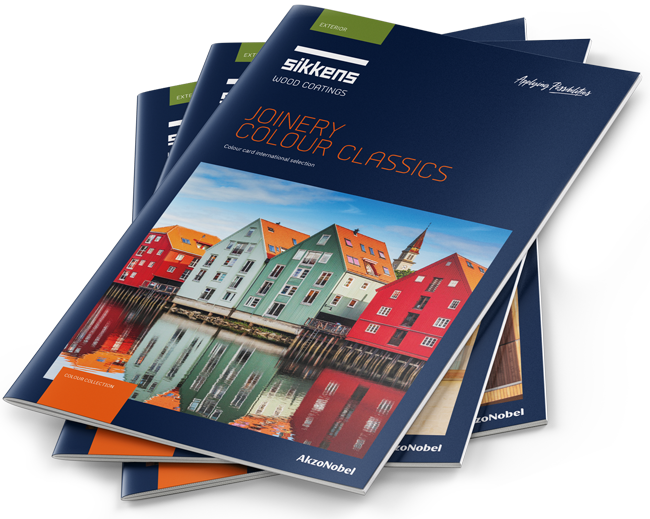
Download Wood App
You are a distributor and want direct access to wood coating products? Download Wood App here.
 English
 French
 German
 Dutch
Dutch
 Italian
 Spanish
 Polish
Wood has an important role to play in creating more sustainable buildings. Protecting and enabling it to perform for longer is just as important.
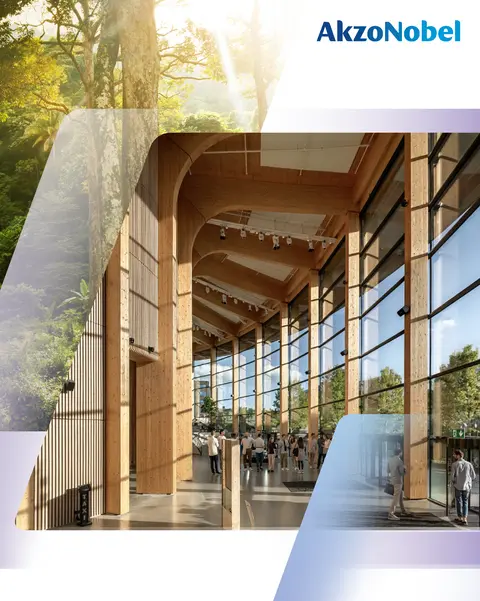
Wood and engineered timber can offer lower cradle-to-grave carbon footprints than materials such as aluminium, steel and PVC in typical building applications. But choosing wood is only part of the story. Designing, protecting and connecting timber for long-term performance can help preserve its sustainability benefits throughout a building's lifetime.
The role of technologyFrom industrial wood coatings to wood adhesives, the right technologies can help timber deliver the durability, performance and design quality required by modern buildings. Our lifecycle assessment, conducted by AkzoNobel in collaboration with the University of Amsterdam, shows that the substrate is the main driver of a building element's carbon footprint, while durable coatings can help extend service life and reduce the need for premature replacement. |
|
Sustainability isn't just about choosing a lower-carbon material.
It's about making that material last. By combining material expertise, coating technologies, adhesives and sustainability data, AkzoNobel can help customers make more informed choices across the building lifecycle.
Read the case for wood in more sustainable buildings, our new white paper developed by AkzoNobel in collaboration with the University of Amsterdam.
When you subscribe to our newsletter, you’ll unlock a free digital brochure pack, featuring some of our most popular and in-demand resources to inspire and support your journey.

Receive free downloads

Stay ahead with expert tips and advice

Be the first to know the latest news and updates